Lynne Cherry


How to Make A Difference in the World


When Jana Rajnohova saw the destruction of the Bimini mangroves, she began a campaign, collecting 700 signatures on a petition requesting that the development be stopped, the mangroves be saved and the Bimini Marine Protected Area be designated. A friend in the Bahamas delivered the petitions to the Prime Minister Perry Christie.

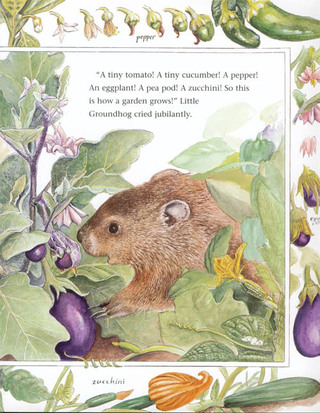
In How Groundhog's Garden Grew, the birds and insects tell Little Groundhog that they will clean his vegetables of insect pests if he agrees not to spray them with bug spray (insecticide). You can help wildlife by convincing neighbors to stop using dangerous lawn chemicals. Some communities have banned them, realizing that they may cause increased cancer in children and pets.

Contact your congressional senators and representatives and ask them to come to your school and discuss the issues they think are the most important in your community. If your river needs cleaning up, bring them a bottle of dirty river water as the kids in A River Ran Wild do (they give a bottle of dirty river water to Senator Kennedy). Regularly write to your senators and reps to tell them what you think about all kinds of issues in your community.

Links to Issues of Nature's Course
You will need Adobe Acrobat. Be patient, it takes a few minutes to load


In the column to the right are a list of direct links to various issues of Lynne Cherry's Nature's Course newsletter. Both parents and teachers use Nature's Course to find outstanding environmental children's books. Teachers use it as a resource to help them integrate curriculum through environmental education.

The cover of each issue is beautifully illustrated by well known children's book illustrators such as Barbara Bash, Wendell Minor, Christopher Canyon, Ruth Heller, Barry Moser and Vladimir Vagin.

Nature's Course was published by the Center for Environmental Literature (CCEL), a now-defunct non-profit organization committed to connecting children to the natural world through literature and education.

Inspiration!


The "For Inspiration" section shares stories of how children have made a difference: planting butterfly gardens or vegetable gardens in their schoolyards, studying and cleaning up local rivers or saving forest as bird habitat in their communities.
The last page of Nature's Course lists resources to help children, parents and teachers take action in their communities. For instance, the Ancient Forest issue lists groups that are working to preserve old growth forests. The River issue (available only by mail from CEE) lists groups that can help you get started in studying and cleaning up your local river.


You Can Help Reduce Your Climate Footprint!


Children convinced MacDonalds to use recycled cardboard containers instead of styrofoam. Kids were responsible for getting the tunafish companies to stop fishing for tuna in places where dolphins would get caught in their nets. Children helped to save Belt Woods in Maryland. Children saved an old growth forest in Michigan and the oldest cypress swamp in Coral Springs, Florida. Kids, you can make a difference in the world!

These issues of Nature's Course are full of great information and ideas!


What You Can Do to Make A Difference
Many of these ideas are from A New American Dream
*Buy less, use less
* Recycle
*Turn off your TV and use that time to learn about your community, organize and write letters.
* Replace grass in your yard at home with native plants that create food and habitat for wildlife.
*keep a Nature Journal. Observe insects, plants and animals. Draw them and write about them.
* Save open space in your community (write the Center for Environmental Education for a copy of the Save the Land You Love issue of Nature's Course)
* Compost cafeteria waste--create rich black earth. Use it to...
* Plant a butterfly and bird garden at your school
* Grow vegetables and fruit trees at home and at school--grow some of your own food.
* If you have a wet area in your schoolyard, plant wetland plants

Help migrating birds and butterflies by clicking here:
Journey North


CLICK HERE FOR MORE INFO ABOUT How We Know What We Know About Our Changing Climate: Scientists and Kids Explore Global Warming
A non-scary book about Climate Change Science an

How We Know What We Know About Our Changing Climate: Scientists and Kids Explore Global Warming
A non-scary book about Climate Change Science and Solutions for grades 4 -8.
The Sea, The Storm and the Mangrove Tangle
A seed from a mangrove tree floats on the sea until it comes to rest on the shore of a faraway lagon where, over time, it becomes a mangrove island that shelters many birds and animals, even during a hurricane.

How Groundhog's Garden Grew CLICK HERE TO SEE SCHOOL GARDEN TOOL KIT!

How Groundhog's Garden Grew will inspire children to explore gardening fun!
Amazon.com Feature!
The Shaman's Apprentice: A Tale of the Amazon Rain Forest
You can "read" the first few pages of The Shaman's Apprentice on Amazon.com
Click here to read it!
Climate Change Science and Solutions
The Great Kapok tree has been read by millions of children and translated into Dutch, French, German, Italian, Japanese and Portuguese.


Find Authors

Created by The Authors Guild

A note for users of older versions of Internet Explorer, Netscape, or AOL:
This site will look a lot better in a newer browser. Download one for free!
Internet Explorer: Windows Mac   |   Netscape: Windows Mac Other
For AOL users, please choose Internet Explorer above.